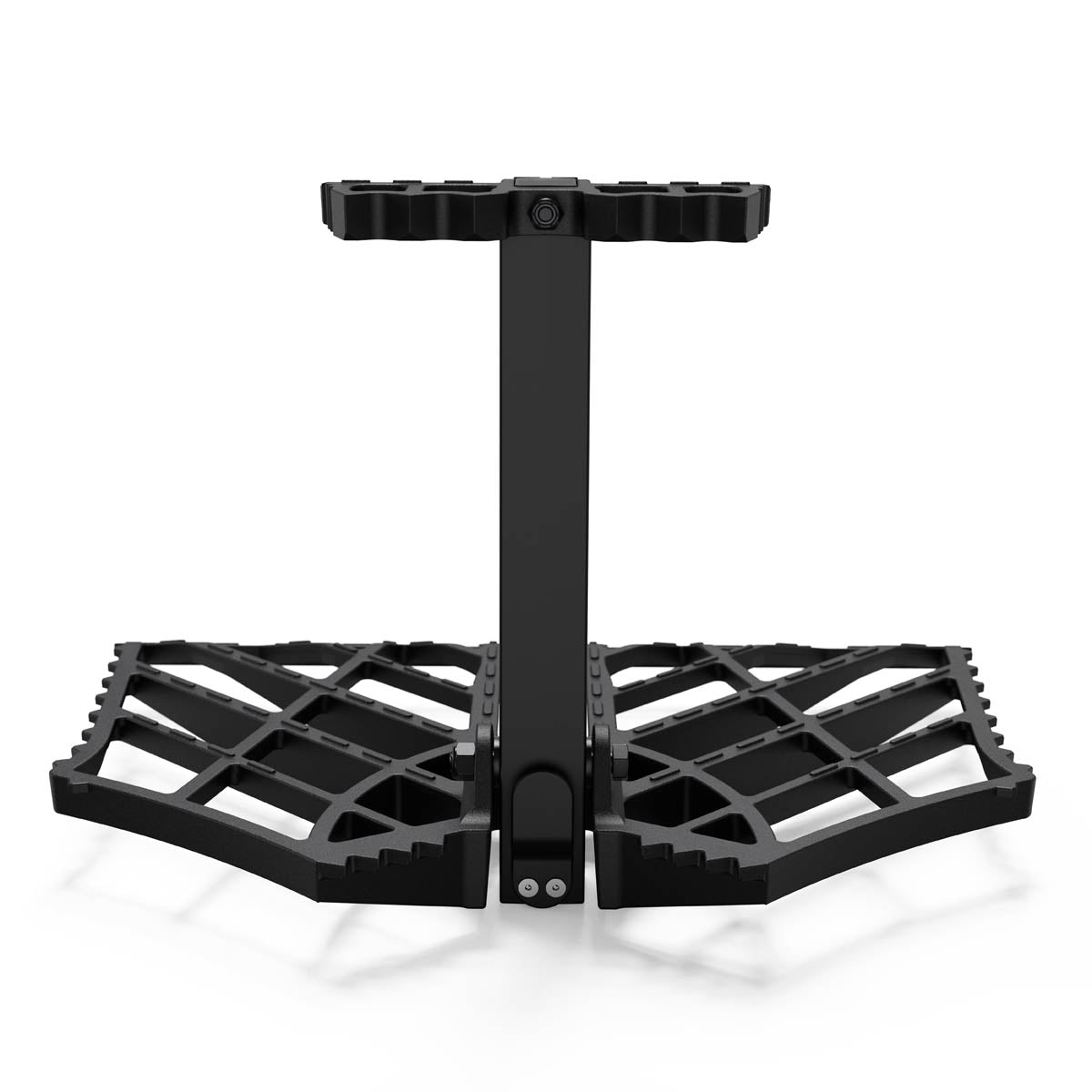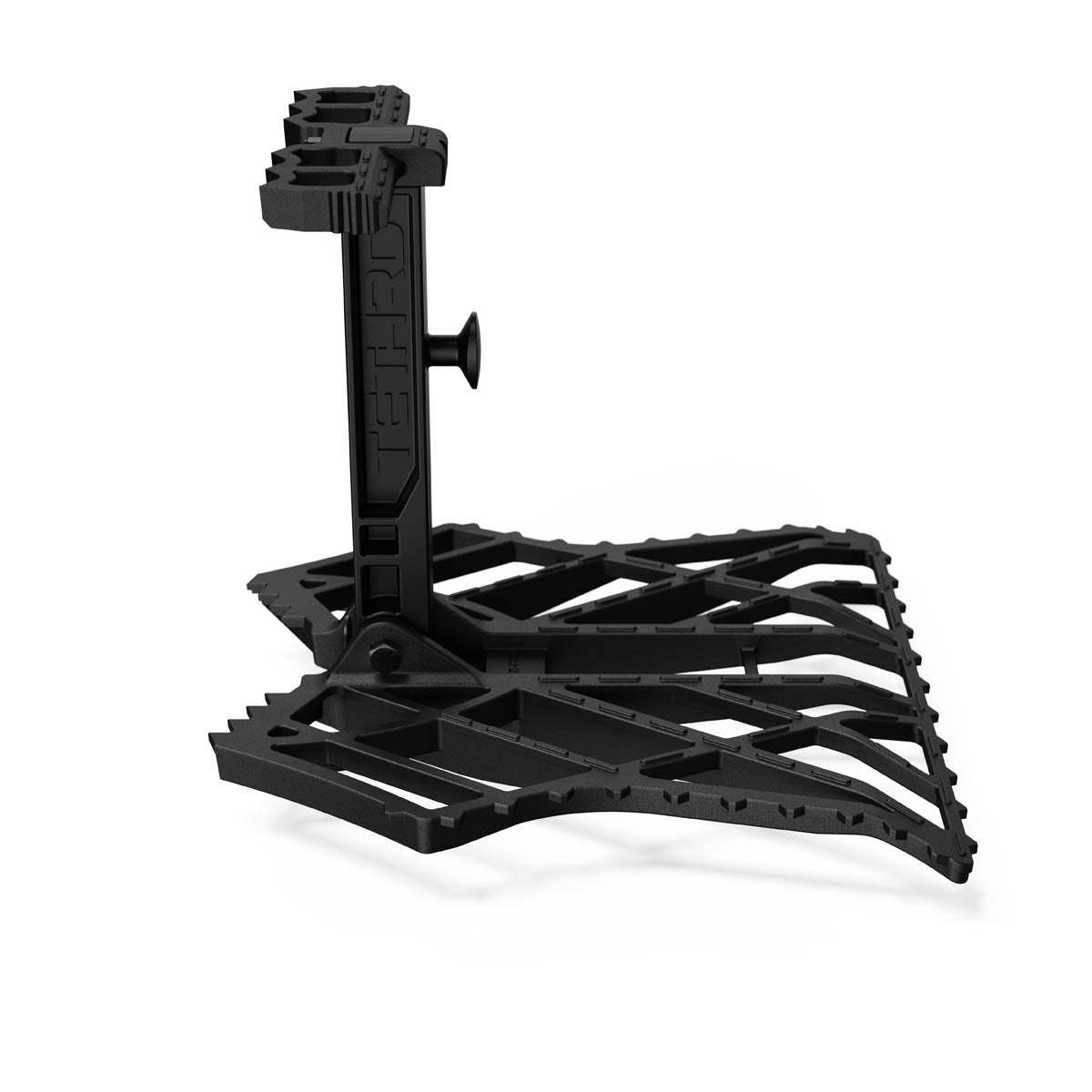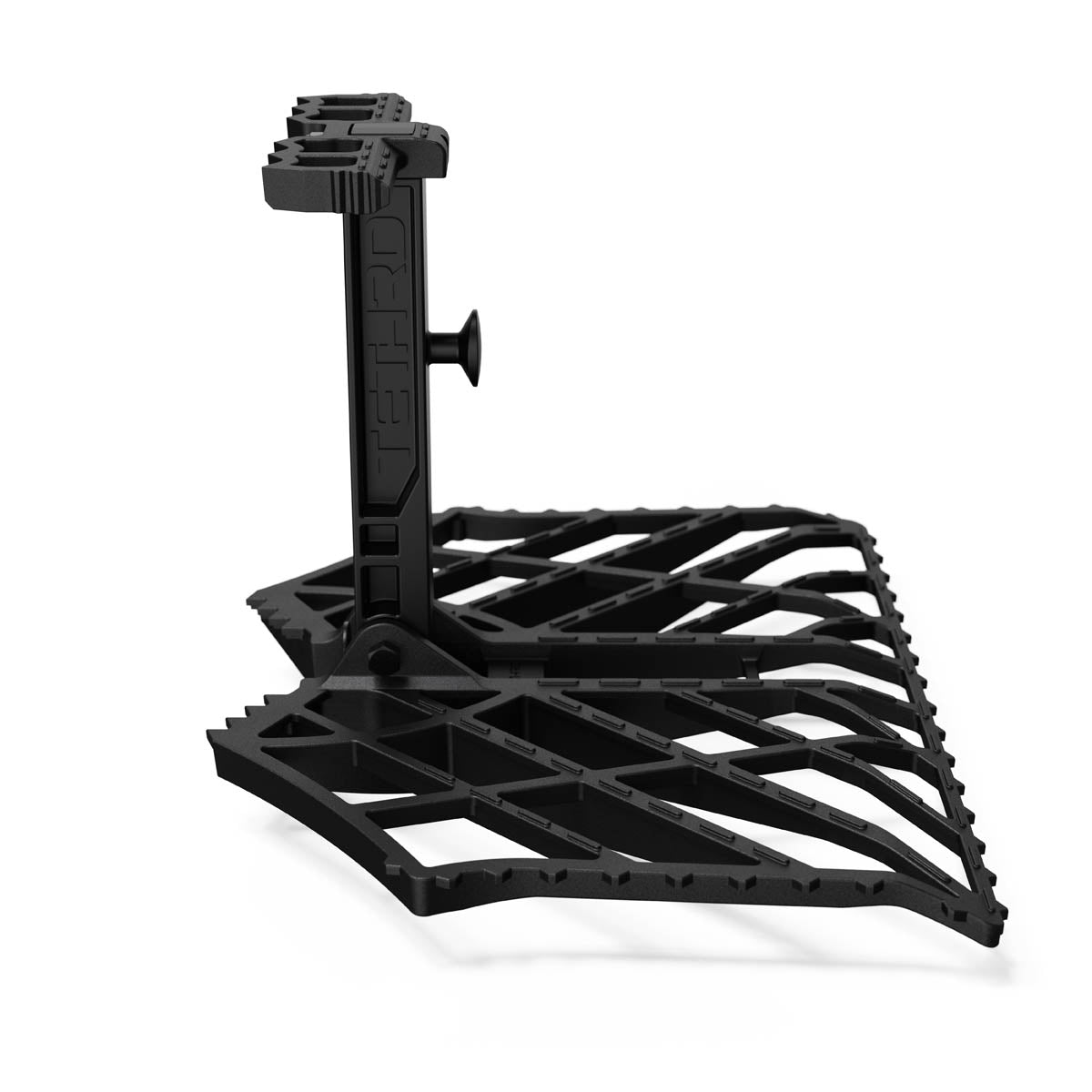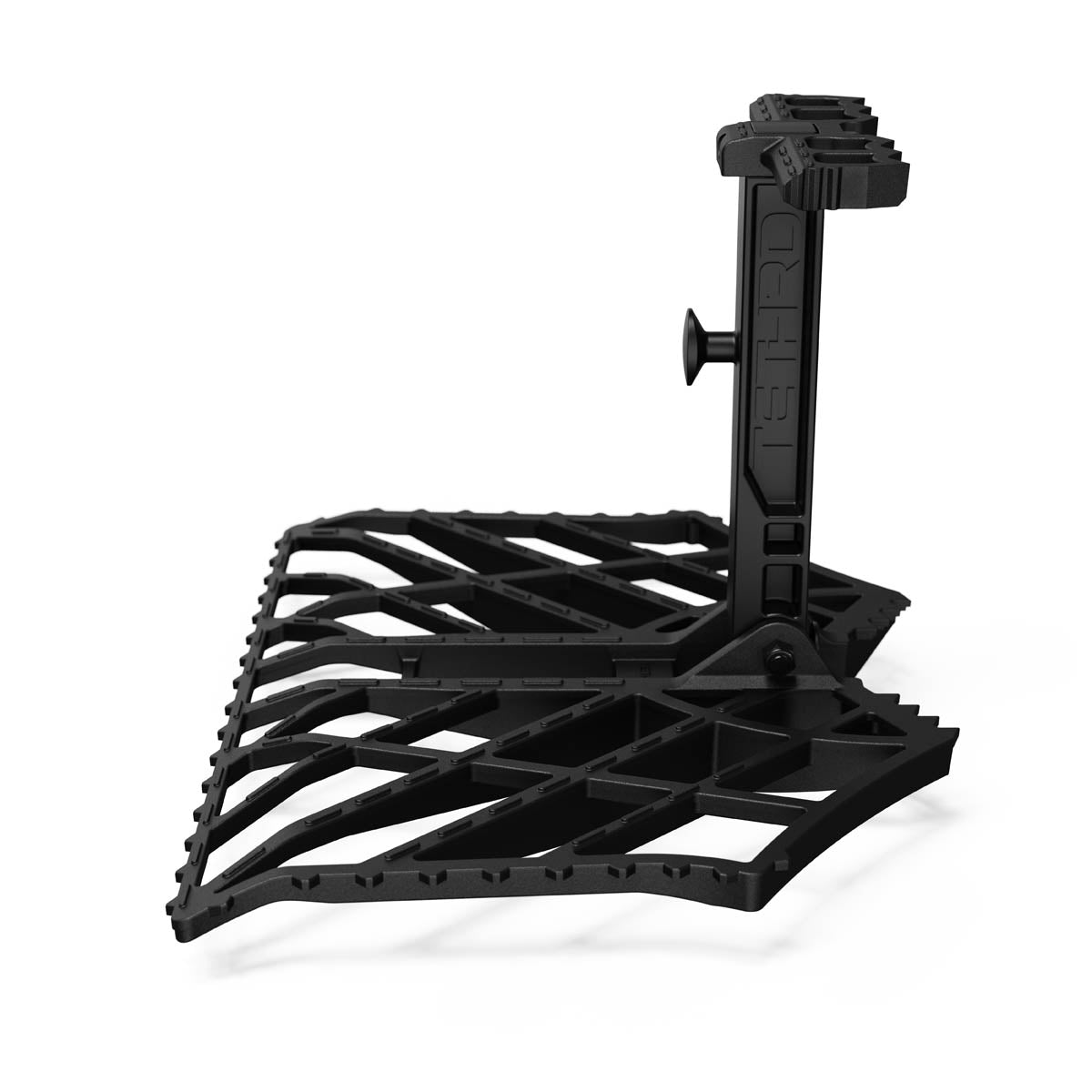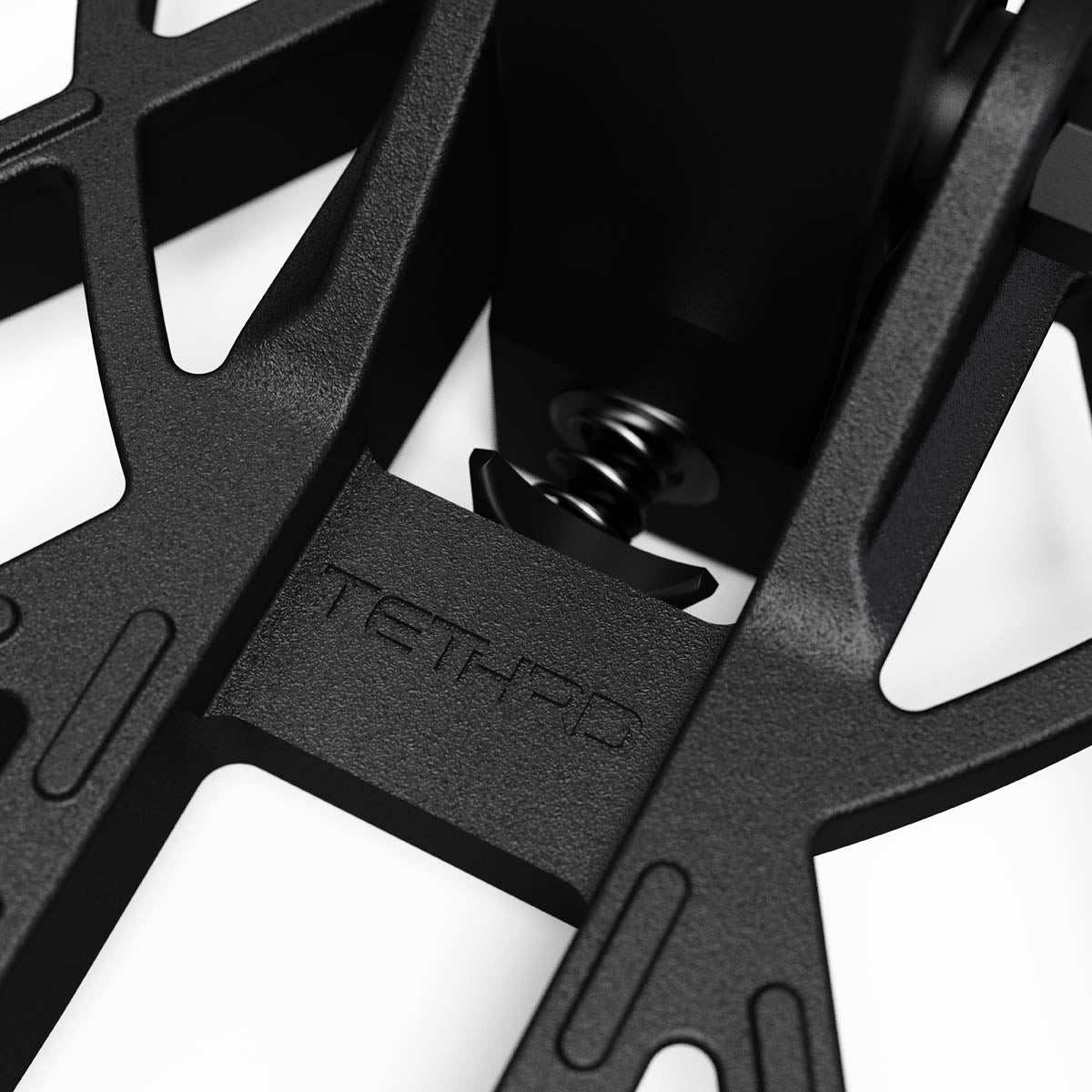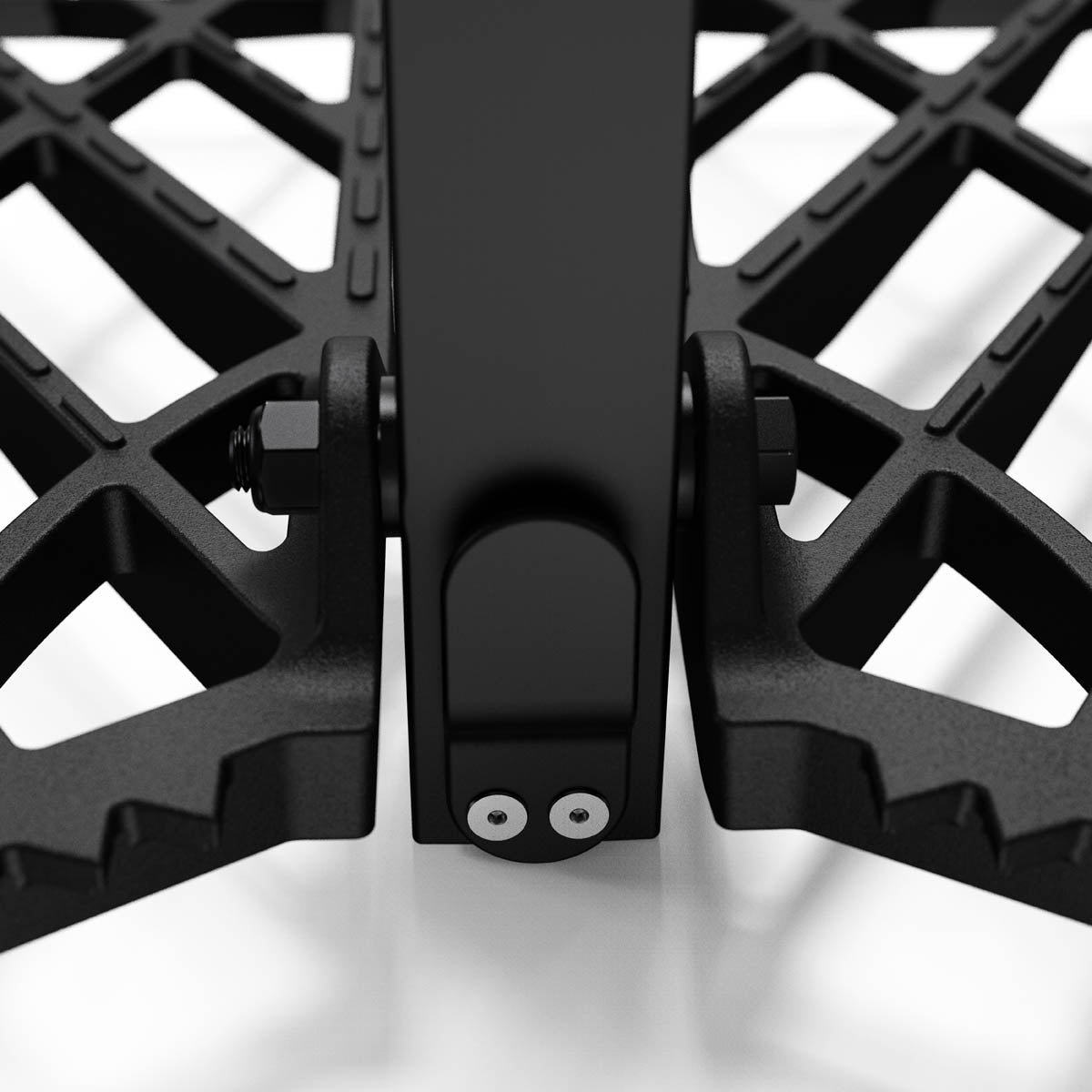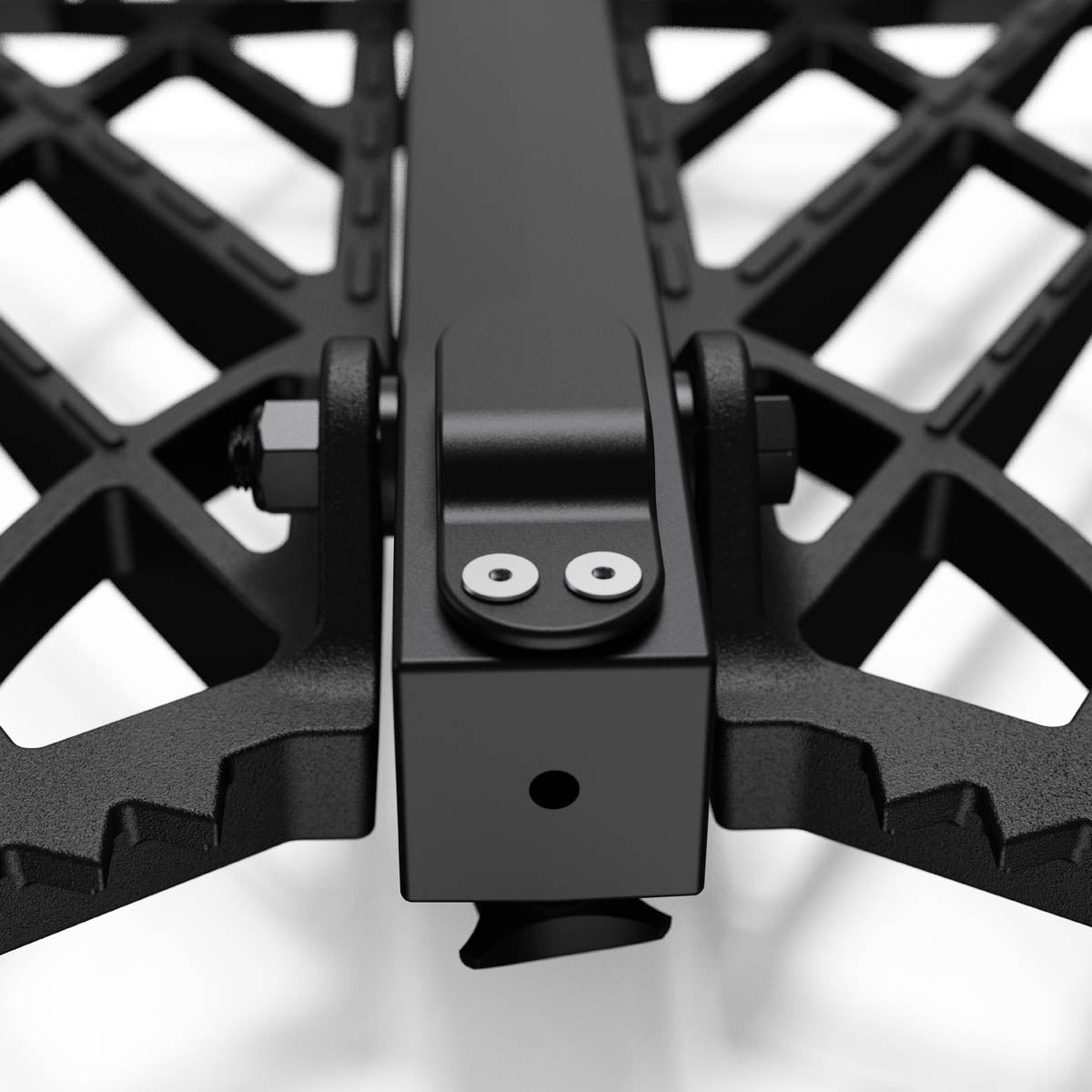





Why Most Guys Overthink Their First Platform
Most guys don’t overthink their first platform—they overthink how it feels.
When you first get into saddle hunting and find yourself hanging from a tree, your brain naturally starts searching for reassurance. “More metal under my feet must mean I’m safer,” it tells you. So you gravitate toward the bigger option. More surface area. More room. More confidence. It’s a completely normal instinct, and honestly, most of us have been there.
But something interesting happens after a few hunts.
Once you start to trust your system and realize just how safe saddle hunting really is, your mindset begins to shift. The question is no longer, “What feels the biggest?” Instead, it becomes, “What actually helps me hunt better?” And that’s where platform size starts to matter in a much more practical way.
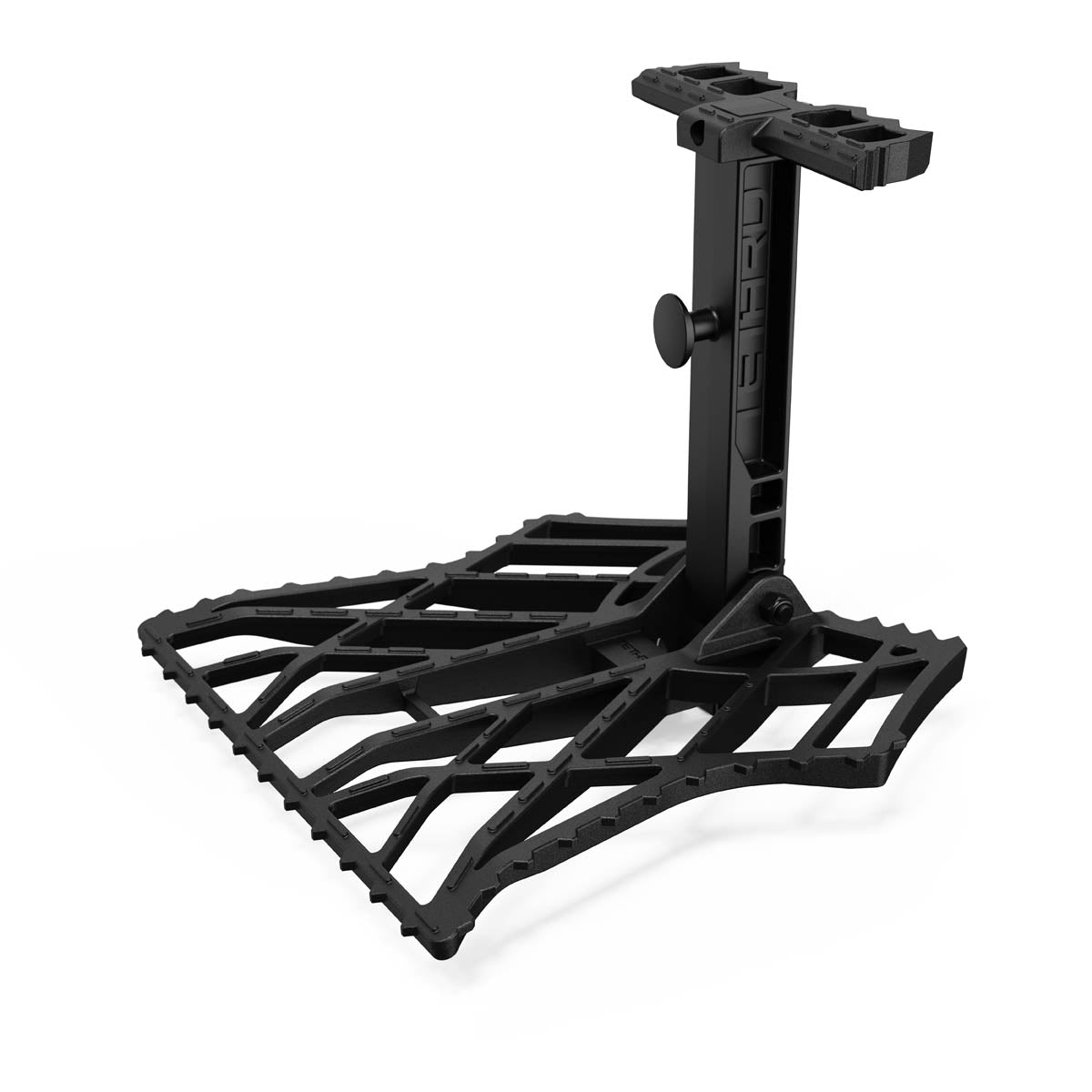
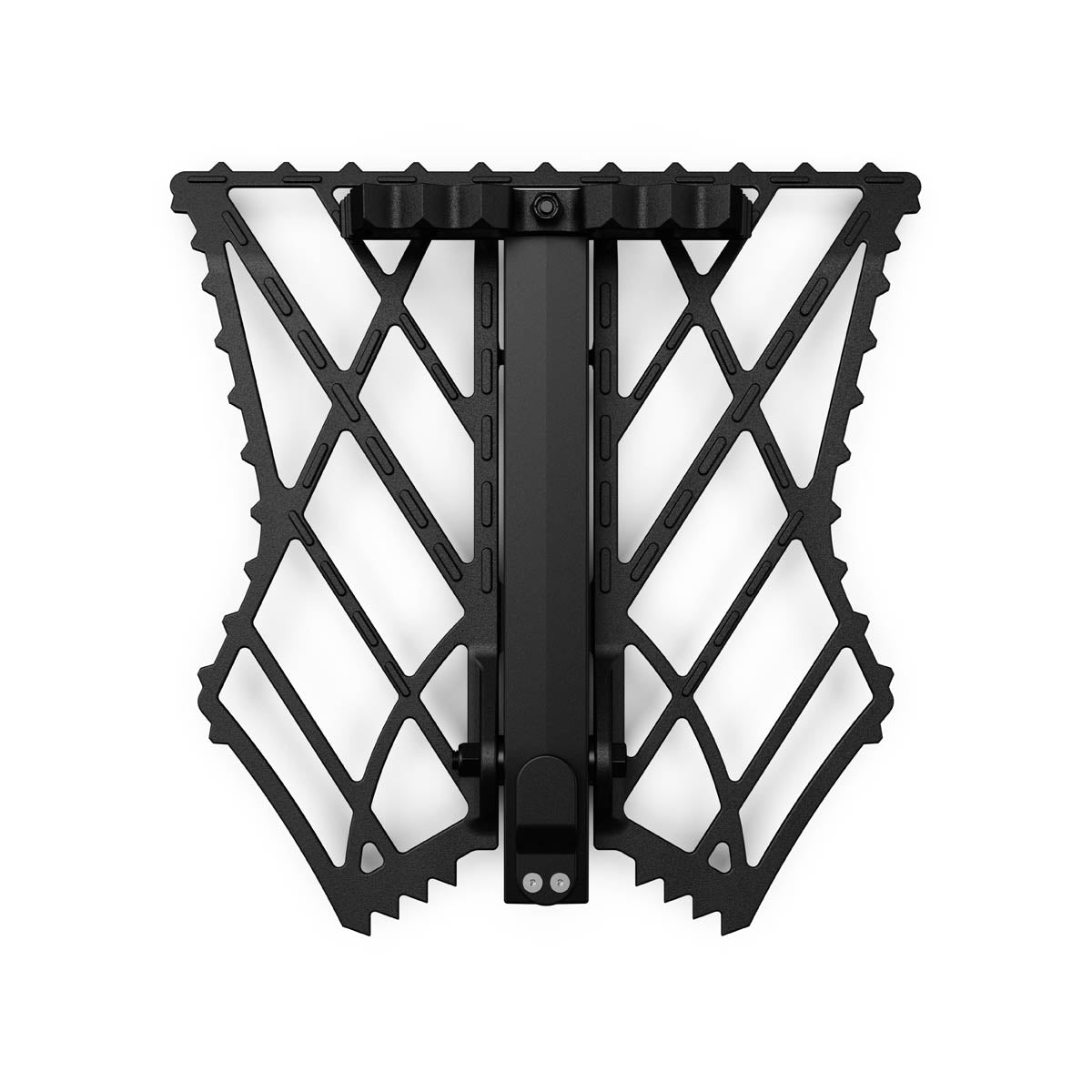
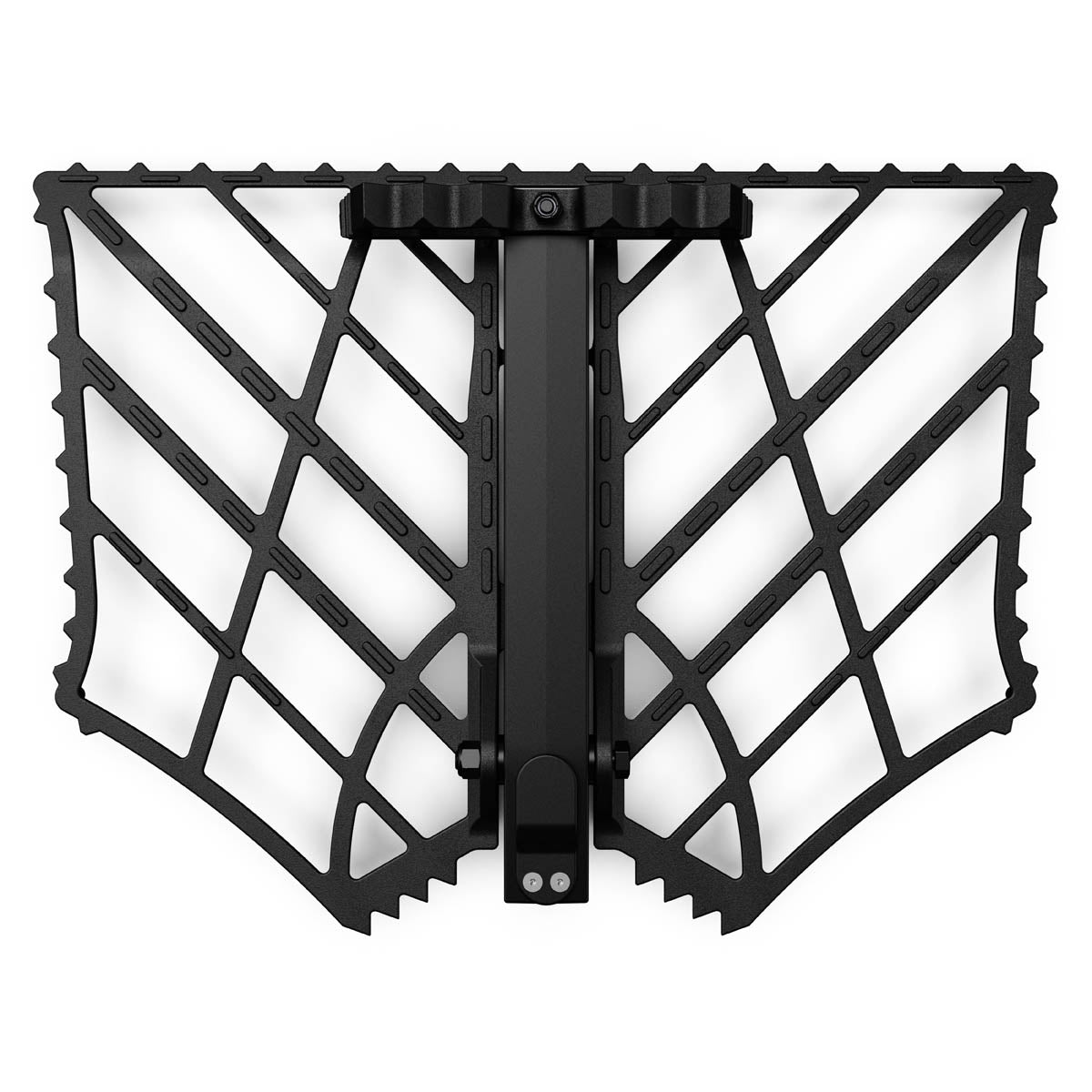
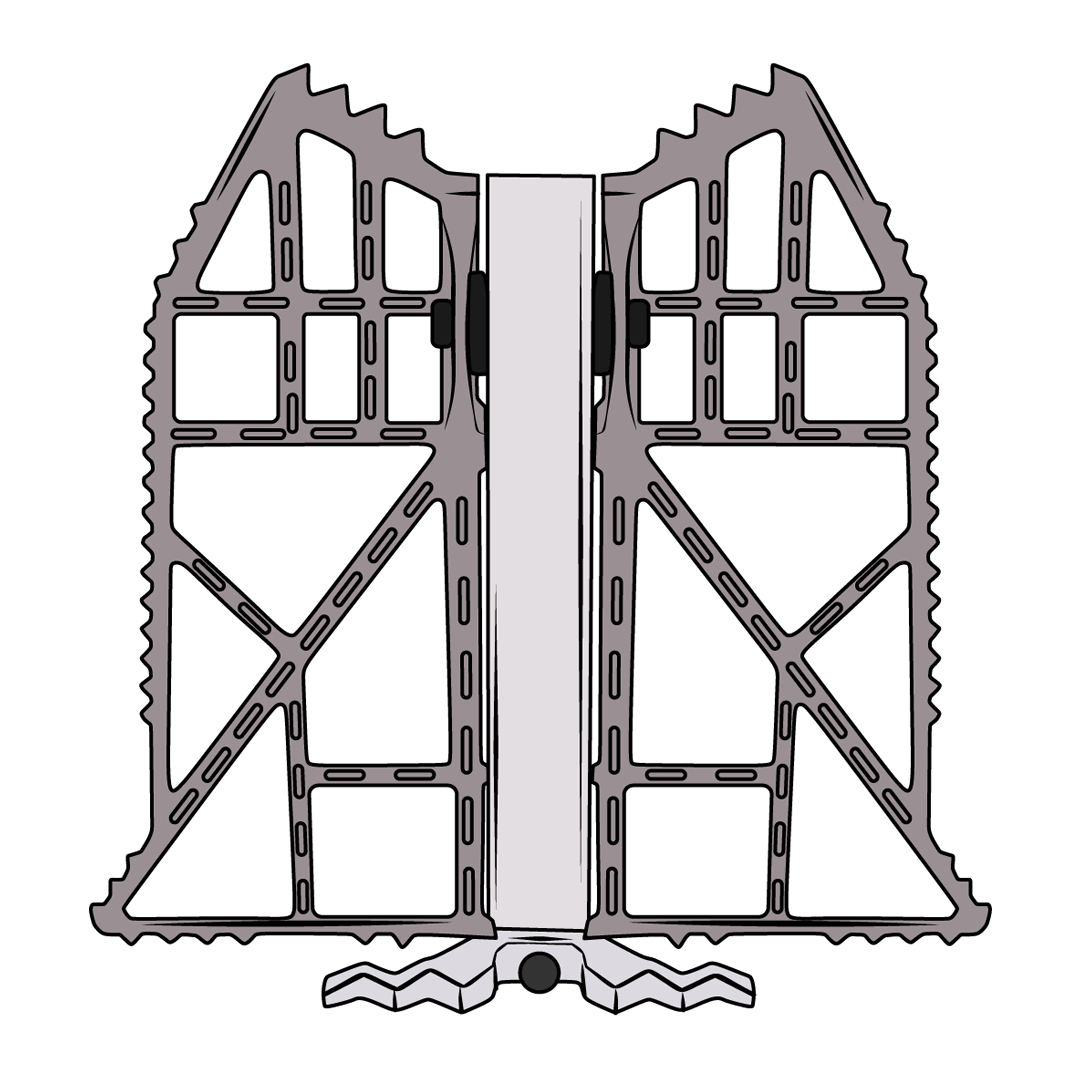
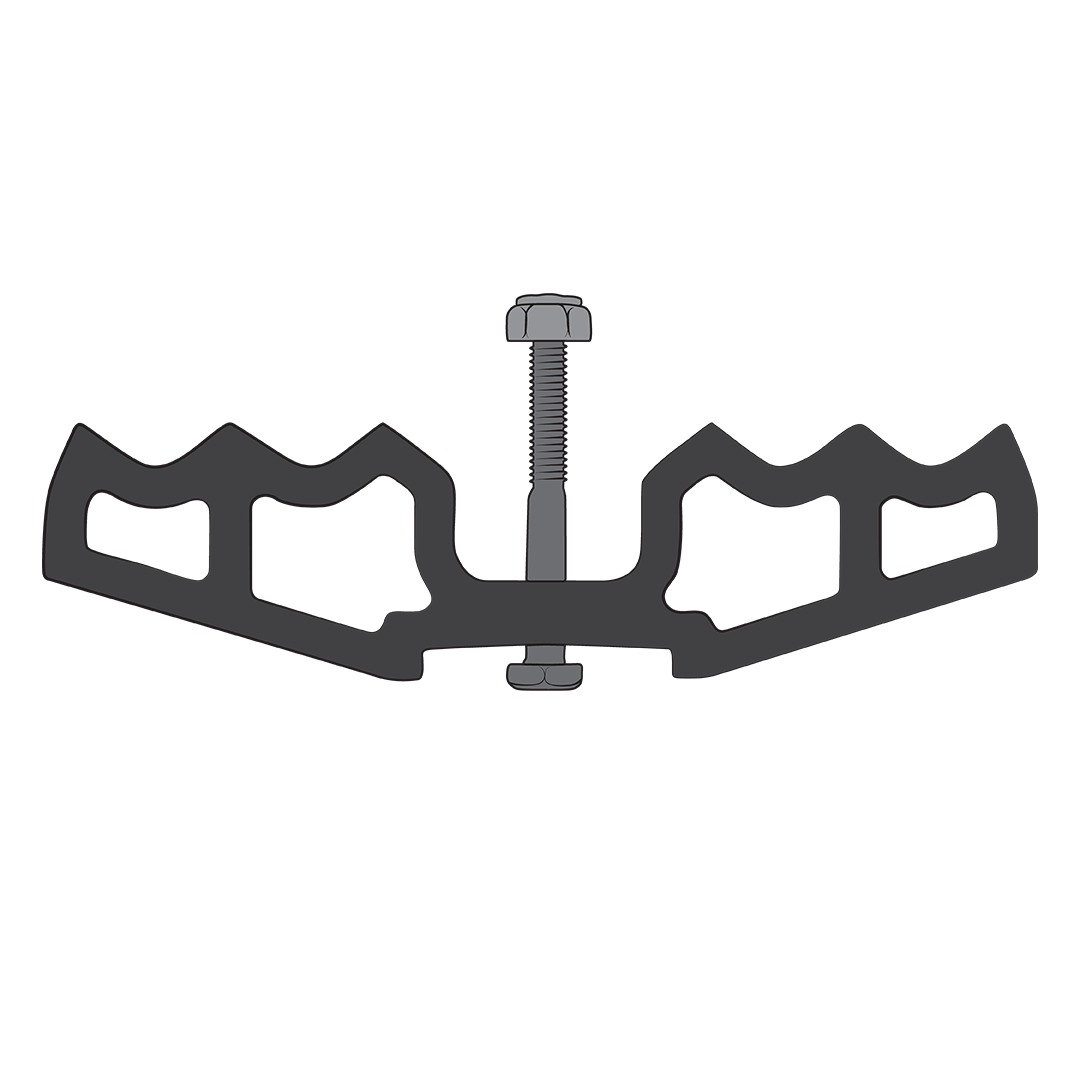
At the beginning, there’s a common assumption: bigger platform equals easier hunting. And to be fair, that can feel true early on. An XL platform gives you more real estate, which can feel less intimidating—especially if you’re coming from a traditional stand where you’re used to having a solid “floor” beneath you. It can also make sense if you have larger feet or plan to hunt in bulky late-season boots.
There’s nothing wrong with that.
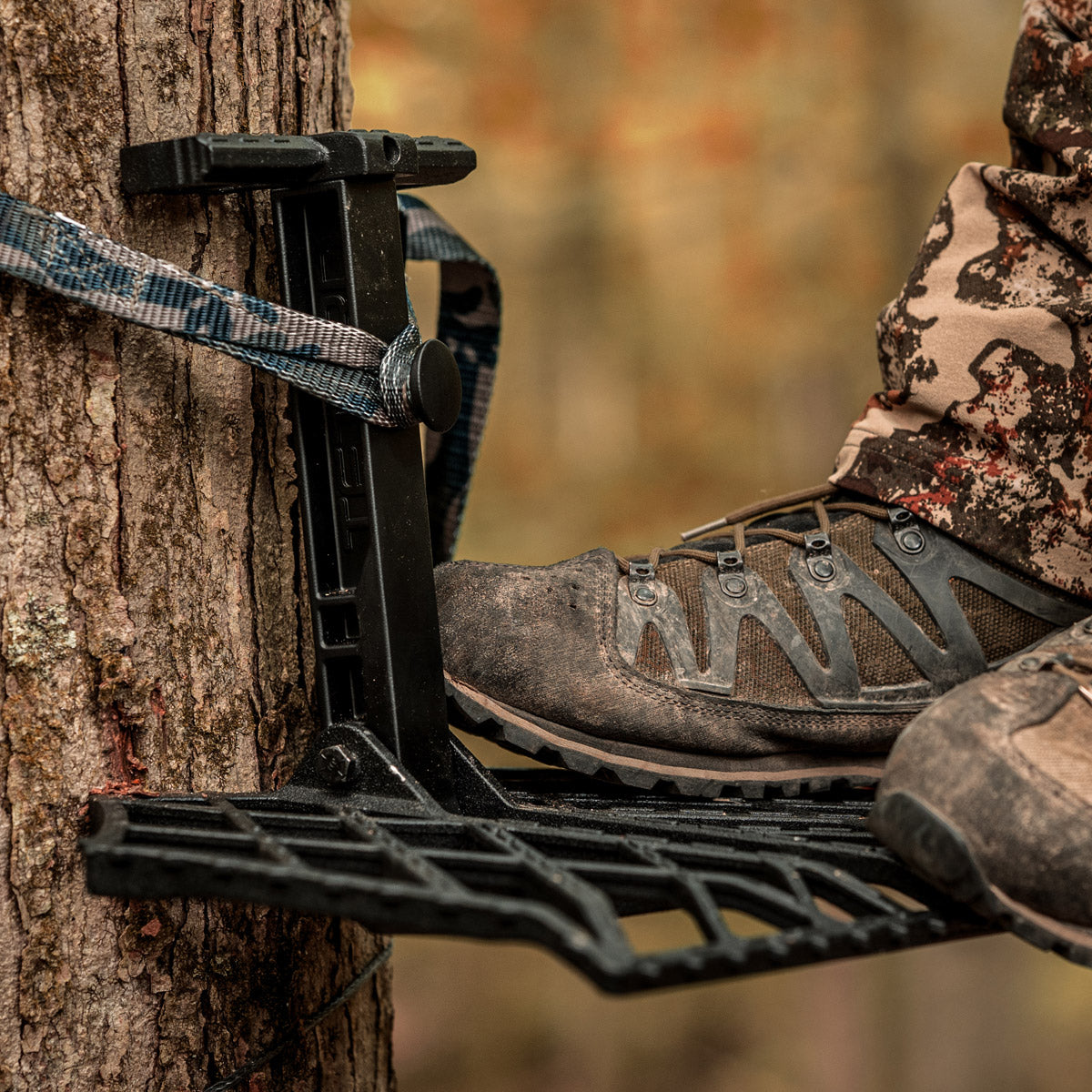
However, after a handful of sits, most hunters start to notice something they didn’t expect—your feet don’t move nearly as much as you think they will.
Once you’re set up in the tree, you’re not pacing around like you’re in your living room. You find your position and settle in. Sure, you’ll make small adjustments—leaning, sitting, shifting—but your feet tend to stay fairly locked in place. That extra platform space you thought you needed? A lot of it ends up just coming along for the ride.
This realization is why so many hunters eventually move toward a regular-sized platform.
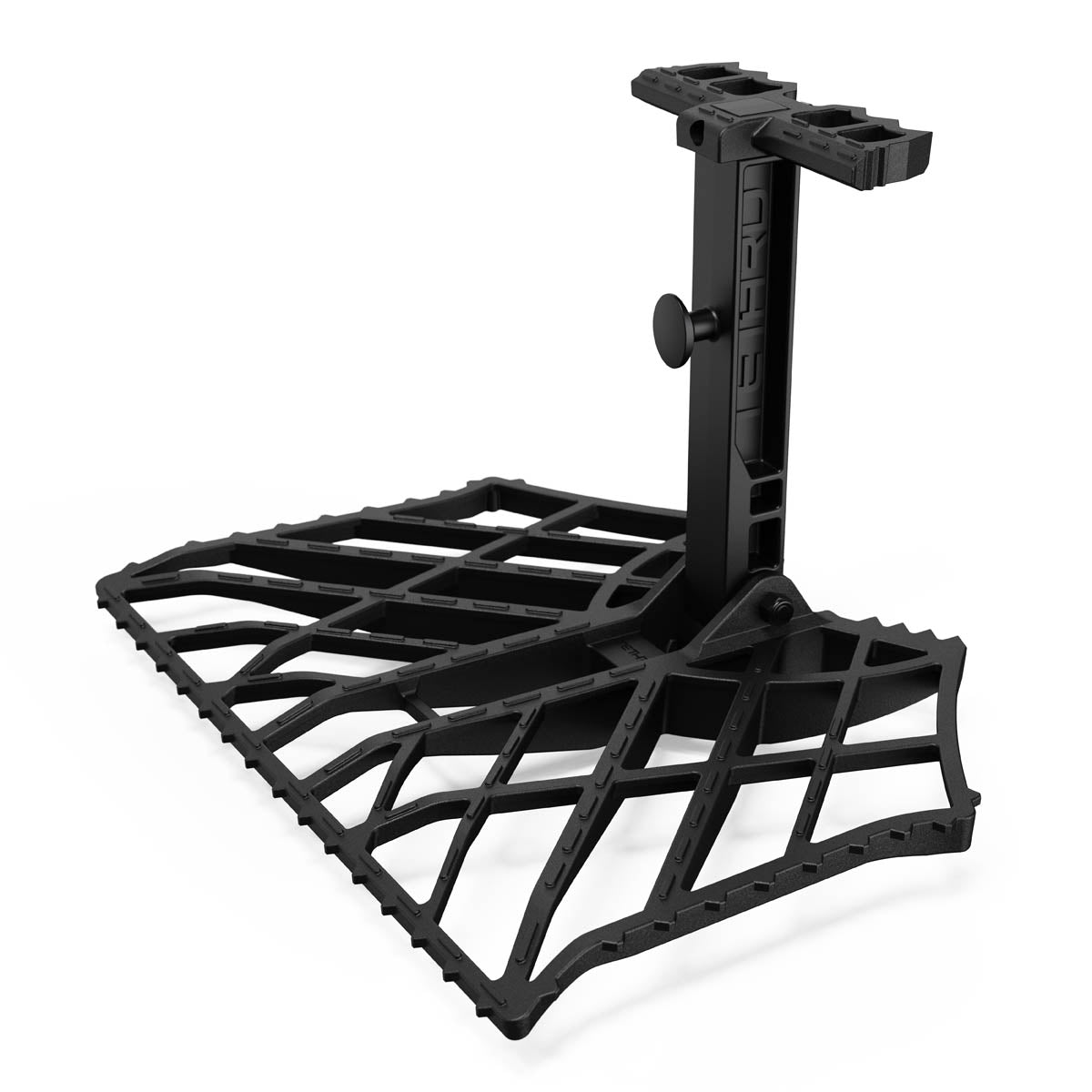
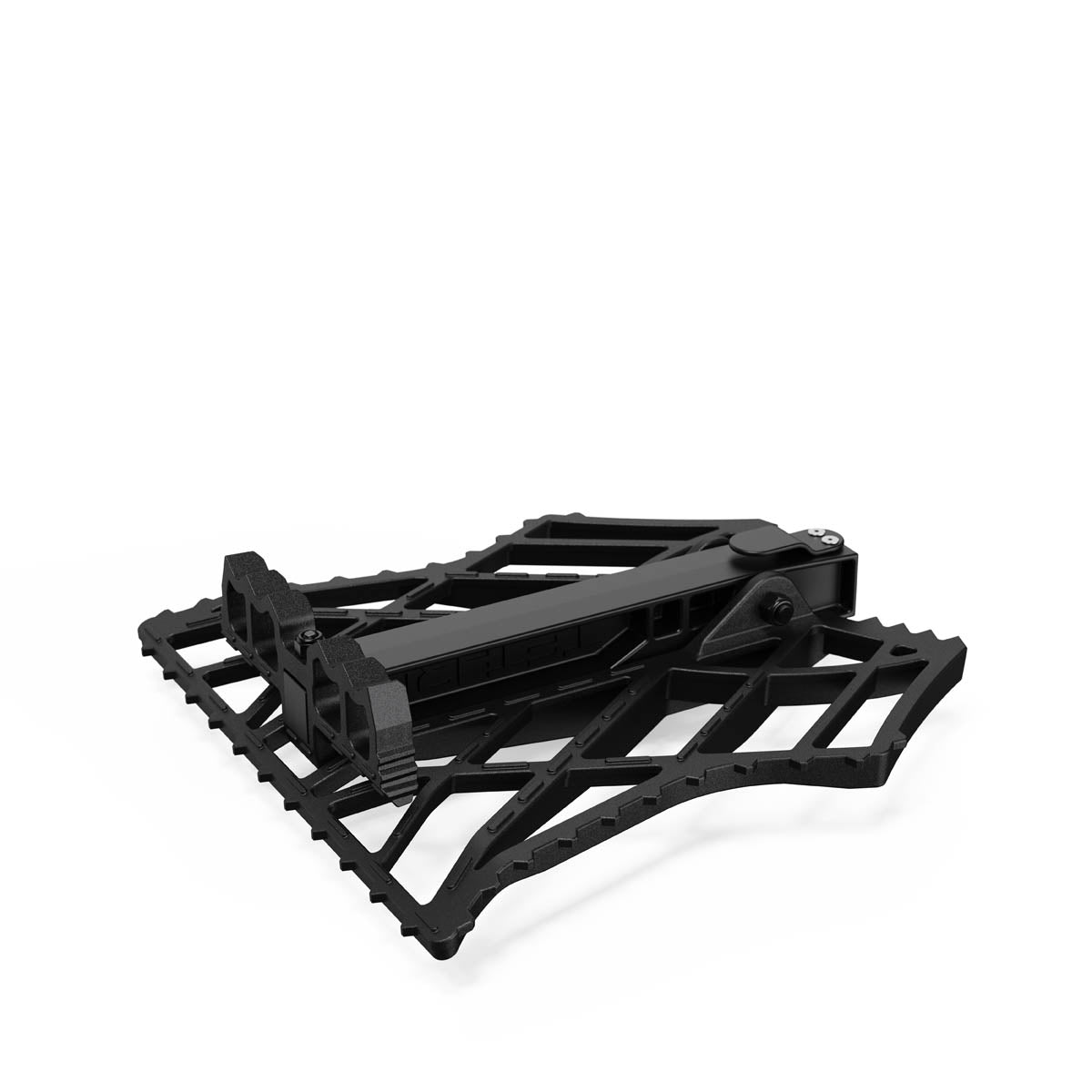
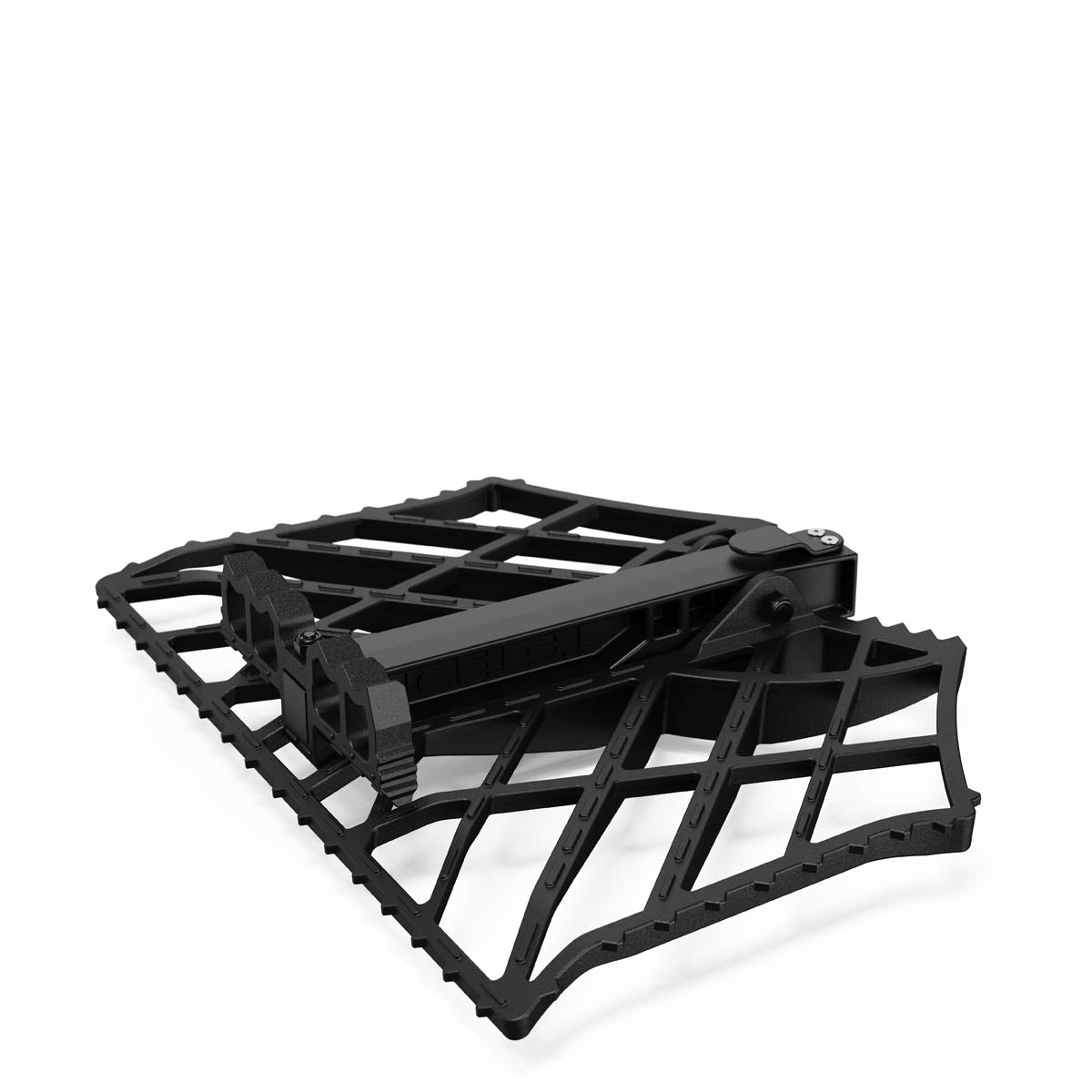
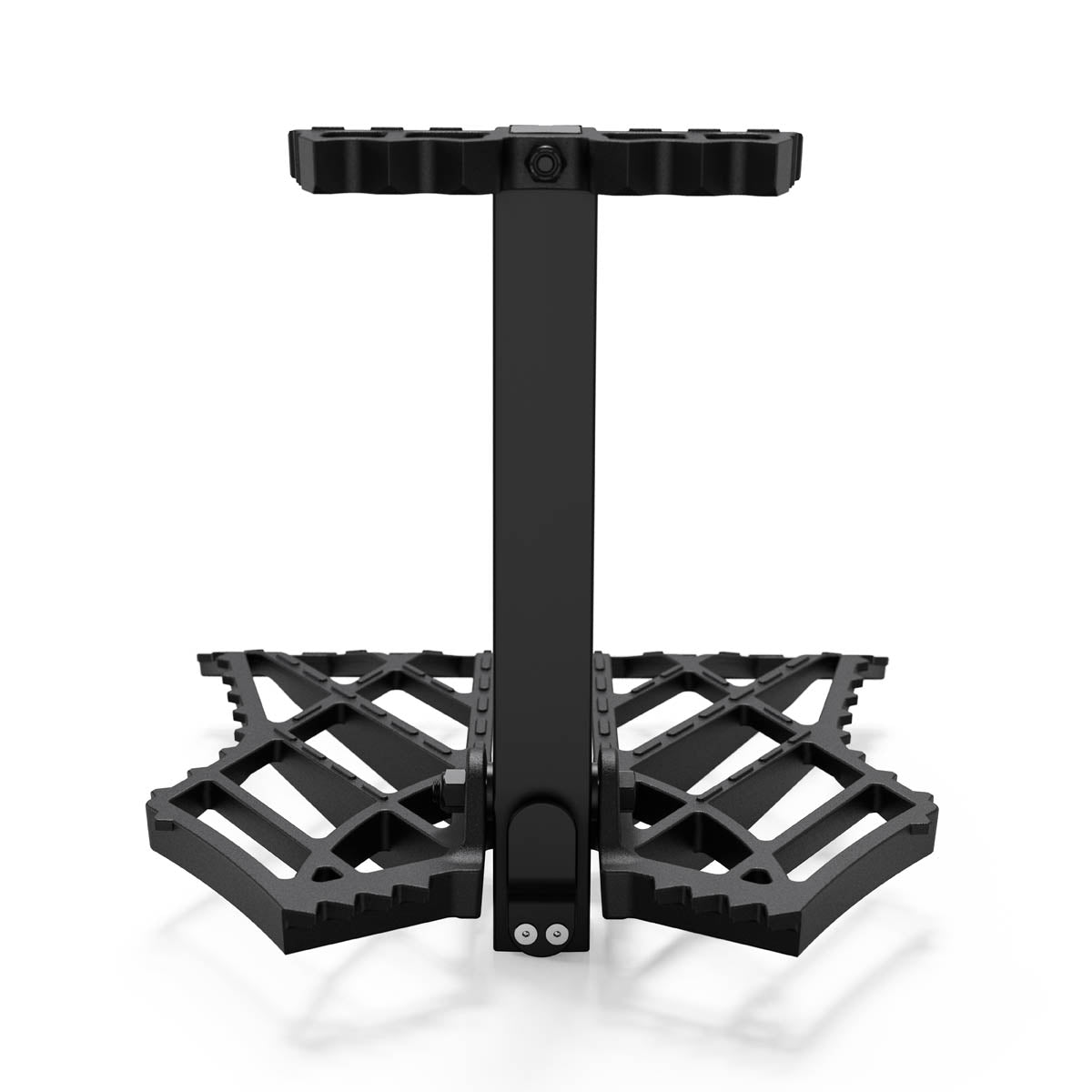
It’s not that it’s objectively better for everyone, but it aligns with what experienced, mobile hunters tend to value. A smaller platform is lighter, packs down more efficiently, and makes moving through the woods—especially in the dark—quieter and easier. And the surprising part? Most hunters don’t notice much of a difference once they’re actually in the tree.
If you’re wearing average-sized boots, something in the 10–12 range, a regular platform typically gives you everything you need without the added bulk. Over the course of a full season—covering miles, climbing trees, and stacking hunts—that reduction in weight and size starts to make a noticeable difference.
That said, there is a trade-off that doesn’t get talked about enough.
A smaller platform can feel a little intimidating at first, especially if you’re transitioning from hang-ons or ladder stands. There’s an adjustment period where your brain is still catching up to what your system is capable of. That’s completely normal. But confidence doesn’t come from standing on more metal—it comes from repetition. The more time you spend in the saddle, the less you think about platform size and the more you appreciate simplicity and efficiency.
Of course, this isn’t a “big platform bad, small platform good” conversation.
There are plenty of situations where an XL platform makes perfect sense. Hunters with larger feet will appreciate the extra space. Late-season hunts with bulky boots can benefit from the added surface area. And for beginners, a larger platform can provide a more familiar, confidence-building starting point.
The XL isn’t overkill—it just serves a different type of hunter, or a different stage in the journey.
Where people tend to go wrong isn’t in choosing one over the other—it’s choosing based on fear rather than how they actually hunt. It happens all the time. Someone buys the XL because it feels safer, only to realize a season later that they want to cut weight, reduce bulk, and move more efficiently. Now they’re buying a second platform to fix a problem they didn’t fully understand yet.
A simpler way to decide is to be honest about your priorities.
If mobility, weight savings, and efficiency matter most, the regular platform is likely the better fit. If you have larger feet, hunt in heavy boots, or just want something that feels more stable while you’re learning, the XL may be the right call. And if you’re the type of hunter who values staying light, quiet, and adaptable in the woods, you’ll probably find yourself leaning toward a smaller platform over time.
At the end of the day, the platform isn’t the hero—you are.
The goal isn’t to stand on the biggest piece of metal possible. It’s to put yourself in better positions, more often, with less friction between you and the hunt. Both platform sizes are built to be safe, functional, and effective. The real difference comes down to how they fit your style and priorities.
As you spend more time saddle hunting, one thing becomes clear: no two hunters are exactly alike. What one person loves, another might not. If you have the chance, check out someone else’s setup and see what works for them. And if you’re still unsure, don’t hesitate to reach out and ask questions.
Because the best choice isn’t the one that feels safest in theory—it’s the one that helps you hunt better when it counts.